Living in San Jose: a city made of many distinct places
San Jose is far larger and more varied than any single Peninsula suburb. A resident in Willow Glen may organize weekends around Lincoln Avenue; a household in Almaden Valley may think first of trails and foothill views; someone in Japantown may value the history of a compact commercial district; and a resident near Downtown may use light rail, arts venues and public squares as part of everyday life.
The city's scale means that architecture, travel time, climate exposure, and the relationship between land and buildings change dramatically from district to district. Describing all San Jose homes as one market misses the diversity that makes the city interesting.
History, culture, and growth across the valley
San Jose is rooted in Indigenous history, the Spanish-colonial pueblo of San José de Guadalupe, and a long agricultural period before its growth as a center of technology. Orchards once occupied much of the valley, while rail, industry, migration and successive waves of suburban expansion reshaped the urban landscape.
San Jose's cultural history is particularly visible in its longstanding communities and commercial districts. Japantown, Little Portugal, Little Saigon, Mayfair and other neighborhoods represent distinct histories rather than interchangeable food destinations. Those identities deserve to be described with respect to local institutions, residents and the changes they have experienced.
A closer look at San Jose neighborhoods
San Jose neighborhood labels, city council districts, MLS reporting areas, school district boundaries, and ZIP codes are different maps. They should not be treated as equivalent. The following areas illustrate the city's diversity rather than attempt an exhaustive map of every subdivision.
Downtown, San Pedro Square, and the central urban neighborhoods
Downtown combines government, universities, entertainment, dining, offices, apartments and historic buildings. San Pedro Square Market and nearby restaurants provide public gathering places; the SAP Center, theaters, museums and other venues connect the district to events throughout the year.
Residential life ranges from apartments and condominiums to older houses in nearby districts. Parking, public transit access, building management and the pace of street activity matter far more here than the yard-size logic of a hillside detached house.
Willow Glen: Lincoln Avenue and traditional residential streets
Willow Glen's recognizable commercial core along Lincoln Avenue is surrounded by residential streets with early twentieth-century and later homes. Bungalows, revival architecture, ranch houses and newer replacements create a layered local character.
The neighborhood's appeal often rests on its scale: front porches, tree canopy, walkable restaurants and the relationship between private gardens and public sidewalks. Remodels need to be understood within that streetscape, not judged exclusively by a larger interior area.
Rose Garden and The Alameda: architecture and established urban fabric
The Municipal Rose Garden and surrounding neighborhood are important reference points for traditional architecture, gardens and historic character. Nearby The Alameda combines an older commercial corridor with institutions and varied housing.
An original period façade may be an enduring architectural asset, but house age alone does not establish designation or condition. Buyers and long-term homeowners alike should distinguish preservation rules from ordinary maintenance needs.
Japantown, Hensley, and Naglee Park: historic layers
Japantown remains an important cultural and commercial district with restaurants, shops and community institutions. Nearby older residential neighborhoods, including Hensley and Naglee Park, reveal different periods of San Jose's growth through cottages, Victorians, Craftsman houses and carefully renovated streets.
Neighborhood continuity involves more than architecture. Festivals, community organizations and long-held businesses are part of the sense of place. Public narratives should avoid treating these districts as frozen tourist scenes.
West San Jose, Santana Row, and the Winchester corridor
West San Jose offers a mix of postwar detached neighborhoods, attached communities and commercial destinations. Santana Row and the adjacent regional shopping network provide a different, more destination-oriented urban experience from downtown Willow Glen or historic Japantown.
The Winchester Mystery House anchors another chapter of the city's architectural history. Surrounding residential streets vary in construction period, parcel size, school district and route to major employers.
Cambrian and the southern suburban streets
Cambrian combines neighborhood shopping, schools, parks and extensive mid-century houses. Ranch designs and remodels are common, with changes over time to windows, rooflines, kitchens and garden connections.
Like similar suburban areas, the strength of a home may be its practical layout and private outdoor space. Nearby major roads, district boundaries and the particulars of a renovation can make otherwise similar blocks feel different.
Almaden Valley: open space, hills and residential variety
Almaden Valley is defined in part by its southern location and proximity to open space, including Almaden Quicksilver County Park and other foothill landscapes. Residential areas include ranch houses, later subdivisions and custom homes in more elevated settings.
Topography changes the homeownership story. A level garden and a wooded slope differ in usability, drainage, access and fire considerations. Views may be special, but they should not be assumed for every home in a foothill ZIP code.
Evergreen and the east foothills
Evergreen includes newer planned neighborhoods, established residential blocks, parks, and routes toward eastern hills and open spaces. The landscape is less uniform than an outsider might expect: some streets are flat and suburban, others are view-oriented and more constrained by grade.
The age of housing varies across the district, and some communities have HOA responsibilities. Values should be understood through house type, site, schools, current comparable properties and ownership costs.
Berryessa, North San Jose, and Alviso
Berryessa is a significant northern residential area with its own communities, markets and regional transit connections, including BART service at Berryessa/North San José station. North San Jose also includes large employment and mixed-use districts.
Alviso, near the Bay, has a historic settlement identity that differs sharply from inland suburban blocks. Shoreline conditions, flood planning and the relationship to industrial and employment land need to be evaluated locally rather than generalized to all northern San Jose.
East San Jose, Alum Rock, Mayfair, and Little Saigon
East San Jose contains a broad collection of neighborhoods and cultural institutions, including Mayfair's civil-rights and labor history, Little Saigon's food and commercial networks, and neighborhoods toward Alum Rock Park and the eastern hills.
A single real estate label cannot capture the diversity of housing age, household history, street design and access to recreation. The city's cultural geography is a genuine source of identity, not merely an adjective used to sell homes.
Food, parks, museums, and what residents actually use
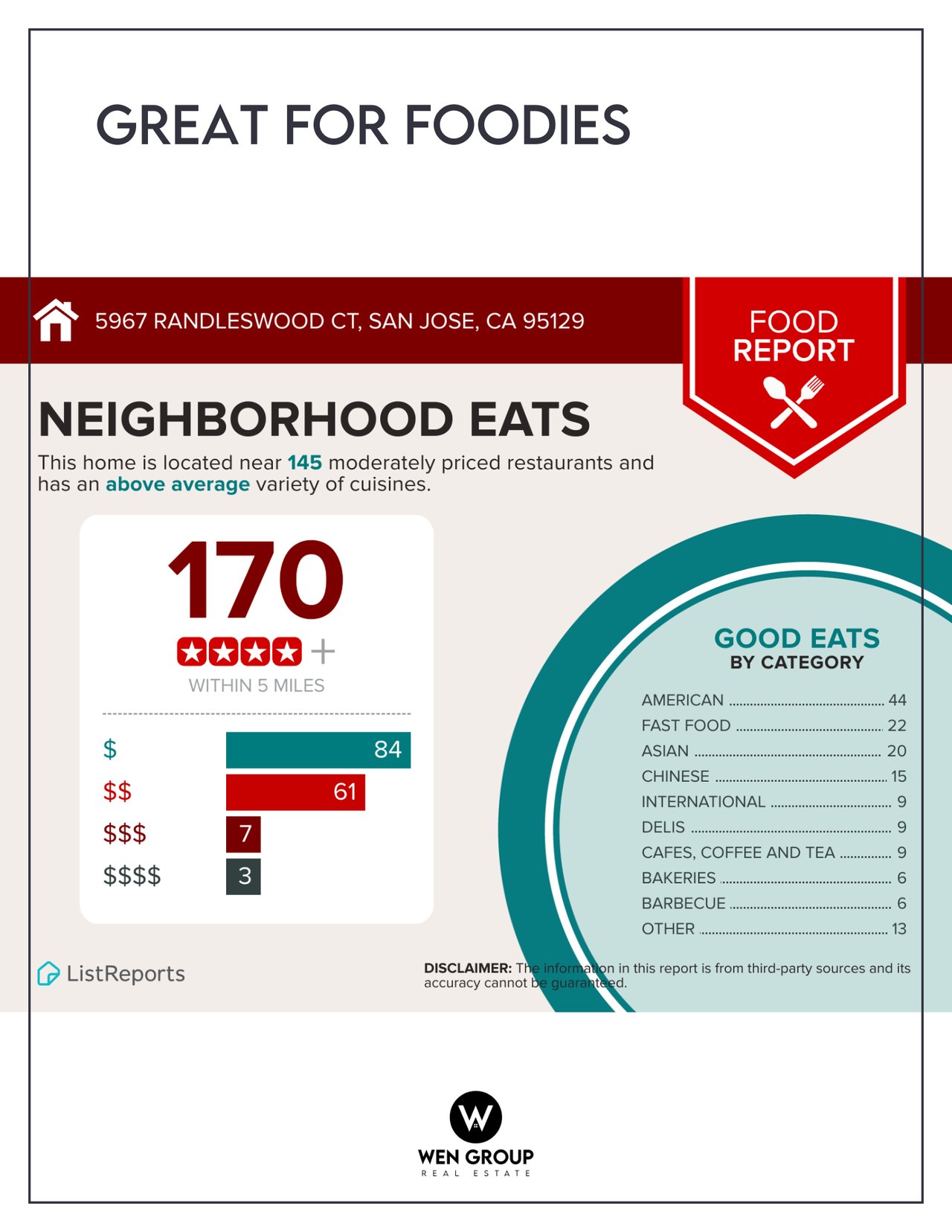
San Jose's dining extends from downtown markets and Willow Glen restaurants to Vietnamese, Mexican, Japanese, Indian, Chinese and many other culinary traditions across the city. The variety is tied to living communities and established businesses; a useful local guide names the neighborhood and context rather than presenting a generic list of cuisines.
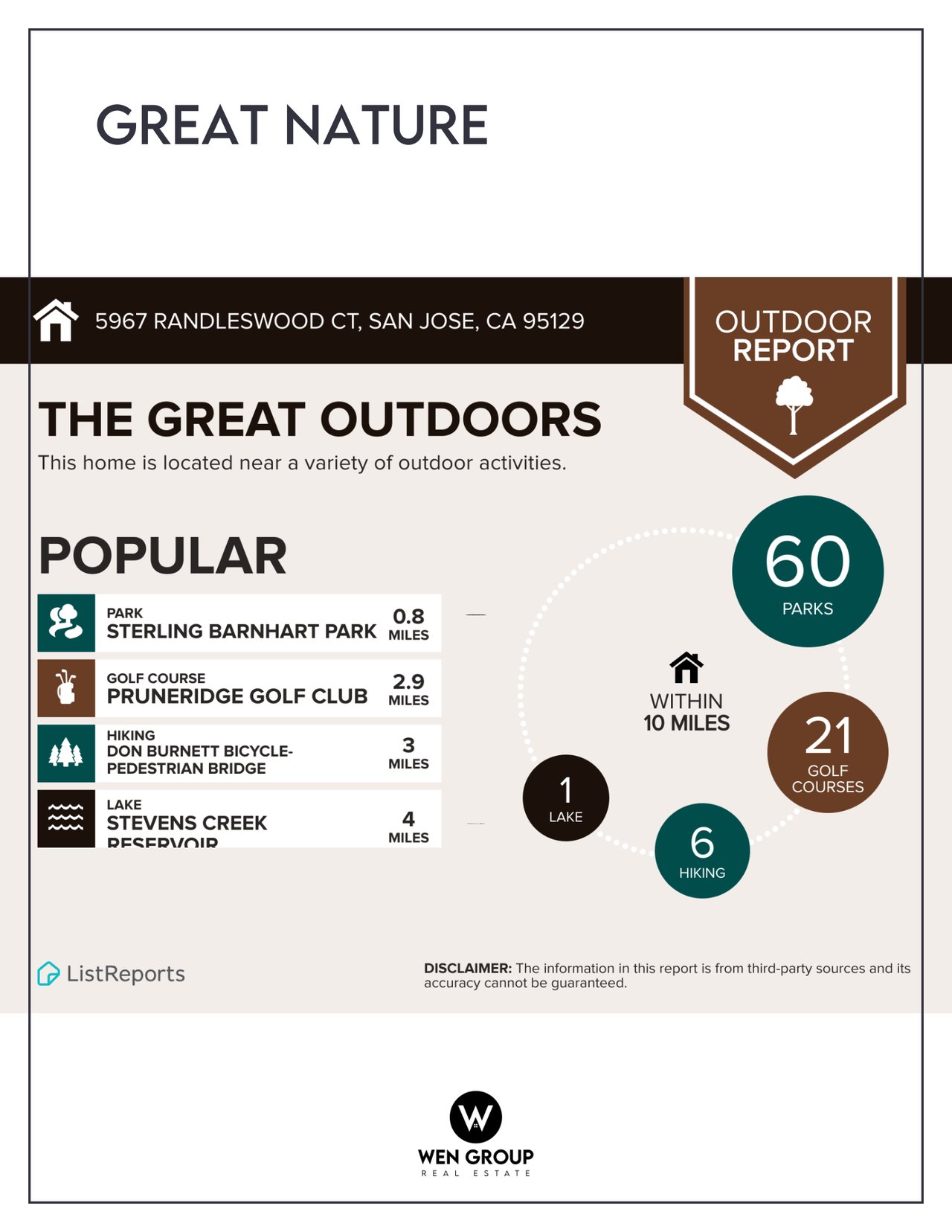
Major public attractions include the Municipal Rose Garden, Happy Hollow Park & Zoo, Kelley Park, History Park, the Tech Interactive, and open spaces reaching from Alum Rock to Almaden. Each belongs to a distinct district and daily travel pattern.
Schools and mobility across a very large city
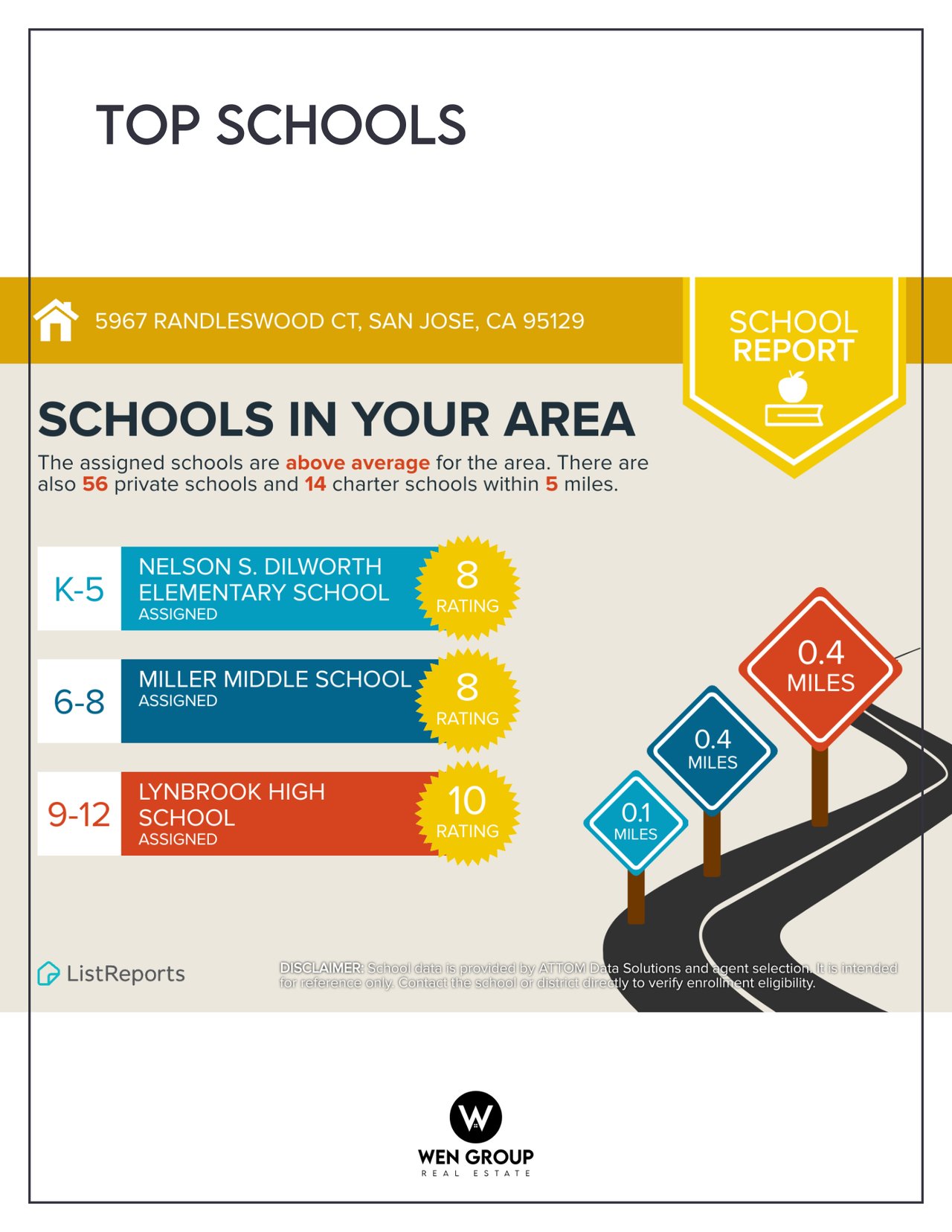
San Jose spans numerous elementary and high-school districts, including districts that operate beyond the municipal boundary. The words 'San Jose address' do not identify one school system. Verification by address is essential and should accompany any claim relevant to housing.
VTA light rail, buses, Caltrain, BART at Berryessa/North San José, and a network of freeways provide options. But the city is large enough that a home near a route or a major employer can have a drastically different commute from another San Jose address. The true travel pattern depends on the specific district.
The real estate perspective: there is no single San Jose market
San Jose's residential supply spans historic detached houses, postwar ranches, hillside custom homes, condominiums, townhouses, downtown units, and newer planned developments. It is misleading to use one median price, one price-per-square-foot figure or one statement about land value to describe them all.
Willow Glen may be appreciated for its traditional architecture and walkable neighborhood center; Almaden for access to trails and more varied land; Evergreen for its mix of planned communities and foothills; Downtown for urban living and transit connections. Sellers and owners gain more from a credible neighborhood-specific analysis than from a slogan about Silicon Valley.
Citywide job creation and technology activity can influence housing demand, but each property still has its own condition, permit history, financing exposure, development constraints and comparable transactions. The most useful expertise is knowing which factors actually matter to the street being discussed.
Questions people ask about San Jose
Is San Jose one real estate market?
No. The city spans historic central neighborhoods, small downtown homes and condos, mid-century districts, newer planned communities and foothill properties. Willow Glen, Rose Garden, Berryessa, Almaden and Evergreen have different housing types and connections to jobs, parks, schools and transport. A citywide median price often combines transactions that should not be compared directly.
How is Willow Glen different from Almaden Valley?
Willow Glen's Lincoln Avenue and nearby older residential streets provide a traditional neighborhood center and established architecture. Almaden Valley is farther south, with access to foothill parks and many suburban subdivisions. The contrast is not about one being universally better: walking routines, lot usability, home style, commute routes and access to outdoor recreation differ.
What should someone know about school districts across San Jose?
San Jose overlaps numerous public school districts. Campus proximity or a ZIP code is not enough to establish the school assigned to a property. Boundaries and enrollment policies may change independently of city zoning. A responsible listing or city guide should make only verifiable address-specific claims and avoid using a generic school ranking as a promise.
How can sellers demonstrate neighborhood knowledge in San Jose?
The strongest evidence is a comparable sale and a property-specific strategy from the correct district. A Rose Garden period home calls for different architectural language from a contemporary Evergreen house or a downtown condominium. Wen Group's architecture-informed approach can help interpret renovations, usable land and design, but marketing should never replace accurate price, permit and condition information.
What makes San Jose feel like home
San Jose is not one village surrounded by houses; it is a mosaic of older communities, new urban centers, family-scale neighborhoods, foothill landscapes and regional institutions. Its many local identities are its strength. Writing about San Jose well means keeping those differences visible instead of flattening them into one market description.
Living in San Jose: a city made of many distinct placesSan Jose is far larger and more varied than any single Peninsula suburb. A resident in Willow Glen may organize weekends around Lincoln Avenue; a household in Almaden Valley may think first of trails and foothill views; someone in Japantown may value the history of a compact commercial district; and a resident near Downtown may use light rail, arts venues and public squares as part of everyday life.
The city's scale means that architecture, travel time, climate exposure, and the relationship between land and buildings change dramatically from district to district. Describing all San Jose homes as one market misses the diversity that makes the city interesting.
History, culture, and growth across the valleySan Jose is rooted in Indigenous history, the Spanish-colonial pueblo of San José de Guadalupe, and a long agricultural period before its growth as a center of technology. Orchards once occupied much of the valley, while rail, industry, migration and successive waves of suburban expansion reshaped the urban landscape.
San Jose's cultural history is particularly visible in its longstanding communities and commercial districts. Japantown, Little Portugal, Little Saigon, Mayfair and other neighborhoods represent distinct histories rather than interchangeable food destinations. Those identities deserve to be described with respect to local institutions, residents and the changes they have experienced.
A closer look at San Jose neighborhoodsSan Jose neighborhood labels, city council districts, MLS reporting areas, school district boundaries, and ZIP codes are different maps. They should not be treated as equivalent. The following areas illustrate the city's diversity rather than attempt an exhaustive map of every subdivision.
Downtown, San Pedro Square, and the central urban neighborhoodsDowntown combines government, universities, entertainment, dining, offices, apartments and historic buildings. San Pedro Square Market and nearby restaurants provide public gathering places; the SAP Center, theaters, museums and other venues connect the district to events throughout the year.
Residential life ranges from apartments and condominiums to older houses in nearby districts. Parking, public transit access, building management and the pace of street activity matter far more here than the yard-size logic of a hillside detached house.
Willow Glen: Lincoln Avenue and traditional residential streetsWillow Glen's recognizable commercial core along Lincoln Avenue is surrounded by residential streets with early twentieth-century and later homes. Bungalows, revival architecture, ranch houses and newer replacements create a layered local character.
The neighborhood's appeal often rests on its scale: front porches, tree canopy, walkable restaurants and the relationship between private gardens and public sidewalks. Remodels need to be understood within that streetscape, not judged exclusively by a larger interior area.
Rose Garden and The Alameda: architecture and established urban fabricThe Municipal Rose Garden and surrounding neighborhood are important reference points for traditional architecture, gardens and historic character. Nearby The Alameda combines an older commercial corridor with institutions and varied housing.
An original period façade may be an enduring architectural asset, but house age alone does not establish designation or condition. Buyers and long-term homeowners alike should distinguish preservation rules from ordinary maintenance needs.
Japantown, Hensley, and Naglee Park: historic layersJapantown remains an important cultural and commercial district with restaurants, shops and community institutions. Nearby older residential neighborhoods, including Hensley and Naglee Park, reveal different periods of San Jose's growth through cottages, Victorians, Craftsman houses and carefully renovated streets.
Neighborhood continuity involves more than architecture. Festivals, community organizations and long-held businesses are part of the sense of place. Public narratives should avoid treating these districts as frozen tourist scenes.
West San Jose, Santana Row, and the Winchester corridorWest San Jose offers a mix of postwar detached neighborhoods, attached communities and commercial destinations. Santana Row and the adjacent regional shopping network provide a different, more destination-oriented urban experience from downtown Willow Glen or historic Japantown.
The Winchester Mystery House anchors another chapter of the city's architectural history. Surrounding residential streets vary in construction period, parcel size, school district and route to major employers.
Cambrian and the southern suburban streetsCambrian combines neighborhood shopping, schools, parks and extensive mid-century houses. Ranch designs and remodels are common, with changes over time to windows, rooflines, kitchens and garden connections.
Like similar suburban areas, the strength of a home may be its practical layout and private outdoor space. Nearby major roads, district boundaries and the particulars of a renovation can make otherwise similar blocks feel different.
Almaden Valley: open space, hills and residential varietyAlmaden Valley is defined in part by its southern location and proximity to open space, including Almaden Quicksilver County Park and other foothill landscapes. Residential areas include ranch houses, later subdivisions and custom homes in more elevated settings.
Topography changes the homeownership story. A level garden and a wooded slope differ in usability, drainage, access and fire considerations. Views may be special, but they should not be assumed for every home in a foothill ZIP code.
Evergreen and the east foothillsEvergreen includes newer planned neighborhoods, established residential blocks, parks, and routes toward eastern hills and open spaces. The landscape is less uniform than an outsider might expect: some streets are flat and suburban, others are view-oriented and more constrained by grade.
The age of housing varies across the district, and some communities have HOA responsibilities. Values should be understood through house type, site, schools, current comparable properties and ownership costs.
Berryessa, North San Jose, and AlvisoBerryessa is a significant northern residential area with its own communities, markets and regional transit connections, including BART service at Berryessa/North San José station. North San Jose also includes large employment and mixed-use districts.
Alviso, near the Bay, has a historic settlement identity that differs sharply from inland suburban blocks. Shoreline conditions, flood planning and the relationship to industrial and employment land need to be evaluated locally rather than generalized to all northern San Jose.
East San Jose, Alum Rock, Mayfair, and Little SaigonEast San Jose contains a broad collection of neighborhoods and cultural institutions, including Mayfair's civil-rights and labor history, Little Saigon's food and commercial networks, and neighborhoods toward Alum Rock Park and the eastern hills.
A single real estate label cannot capture the diversity of housing age, household history, street design and access to recreation. The city's cultural geography is a genuine source of identity, not merely an adjective used to sell homes.
Food, parks, museums, and what residents actually useSan Jose's dining extends from downtown markets and Willow Glen restaurants to Vietnamese, Mexican, Japanese, Indian, Chinese and many other culinary traditions across the city. The variety is tied to living communities and established businesses; a useful local guide names the neighborhood and context rather than presenting a generic list of cuisines.
Major public attractions include the Municipal Rose Garden, Happy Hollow Park & Zoo, Kelley Park, History Park, the Tech Interactive, and open spaces reaching from Alum Rock to Almaden. Each belongs to a distinct district and daily travel pattern.
Schools and mobility across a very large citySan Jose spans numerous elementary and high-school districts, including districts that operate beyond the municipal boundary. The words 'San Jose address' do not identify one school system. Verification by address is essential and should accompany any claim relevant to housing.
VTA light rail, buses, Caltrain, BART at Berryessa/North San José, and a network of freeways provide options. But the city is large enough that a home near a route or a major employer can have a drastically different commute from another San Jose address. The true travel pattern depends on the specific district.
The real estate perspective: there is no single San Jose marketSan Jose's residential supply spans historic detached houses, postwar ranches, hillside custom homes, condominiums, townhouses, downtown units, and newer planned developments. It is misleading to use one median price, one price-per-square-foot figure or one statement about land value to describe them all.
Willow Glen may be appreciated for its traditional architecture and walkable neighborhood center; Almaden for access to trails and more varied land; Evergreen for its mix of planned communities and foothills; Downtown for urban living and transit connections. Sellers and owners gain more from a credible neighborhood-specific analysis than from a slogan about Silicon Valley.
Citywide job creation and technology activity can influence housing demand, but each property still has its own condition, permit history, financing exposure, development constraints and comparable transactions. The most useful expertise is knowing which factors actually matter to the street being discussed.
Questions people ask about San JoseIs San Jose one real estate market?No. The city spans historic central neighborhoods, small downtown homes and condos, mid-century districts, newer planned communities and foothill properties. Willow Glen, Rose Garden, Berryessa, Almaden and Evergreen have different housing types and connections to jobs, parks, schools and transport. A citywide median price often combines transactions that should not be compared directly.
How is Willow Glen different from Almaden Valley?Willow Glen's Lincoln Avenue and nearby older residential streets provide a traditional neighborhood center and established architecture. Almaden Valley is farther south, with access to foothill parks and many suburban subdivisions. The contrast is not about one being universally better: walking routines, lot usability, home style, commute routes and access to outdoor recreation differ.
What should someone know about school districts across San Jose?San Jose overlaps numerous public school districts. Campus proximity or a ZIP code is not enough to establish the school assigned to a property. Boundaries and enrollment policies may change independently of city zoning. A responsible listing or city guide should make only verifiable address-specific claims and avoid using a generic school ranking as a promise.
How can sellers demonstrate neighborhood knowledge in San Jose?The strongest evidence is a comparable sale and a property-specific strategy from the correct district. A Rose Garden period home calls for different architectural language from a contemporary Evergreen house or a downtown condominium. Wen Group's architecture-informed approach can help interpret renovations, usable land and design, but marketing should never replace accurate price, permit and condition information.
What makes San Jose feel like homeSan Jose is not one village surrounded by houses; it is a mosaic of older communities, new urban centers, family-scale neighborhoods, foothill landscapes and regional institutions. Its many local identities are its strength. Writing about San Jose well means keeping those differences visible instead of flattening them into one market description.